

Branding
Cannabis Branding: How to Brand a Dispensary or Product
Published on Oct 18, 2026
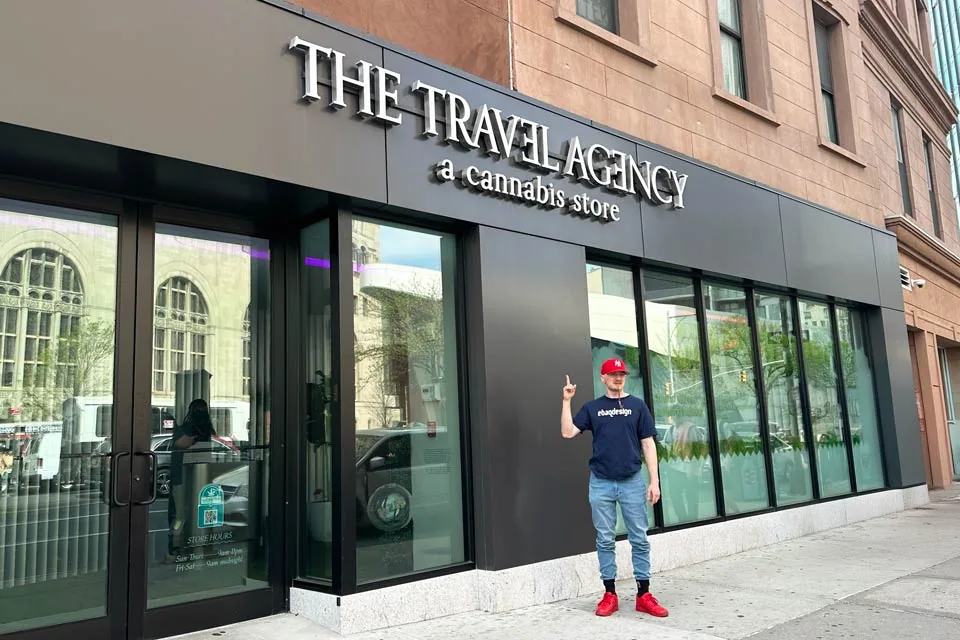
Cannabis branding is the work of making a dispensary or a cannabis product recognizable, trusted and premium inside an industry where almost all advertising is banned.
That last part is what makes it different from branding anything else.
You cannot buy your way to awareness, so the logo, the packaging, the store and the website have to do the selling.
I’m Arek Dvornechuck, a brand designer in New York, and I designed the identity and packaging for SweetGrass, a premium dispensary in Mississippi, and the rebrand for Medihuanna, an accredited medicinal cannabis education provider in Sydney.
Key takeaways
- Read your state’s advertising rules before the first sketch, because they decide what the brand is allowed to be.
- A dispensary brand and a product brand are two different jobs, and most founders brief the wrong one.
- Packaging is not decoration here: it is the advertising budget you are actually allowed to spend.
- Drop the green leaf, which some states ban in advertising outright and which makes you invisible everywhere else.
Jump to the part you need.
- Opening a dispensary: the compliance brief, then dispensary or product brand.
- Launching a product line: packaging, then the shelf test.
- Rebranding an existing operator: the SweetGrass identity, then how a cannabis rebrand runs.
- Looking for ideas: 12 examples, then the FAQ.
Why cannabis branding starts with compliance, not aesthetics
In cannabis, the regulations write the creative brief, so read them before anyone opens Illustrator.
SweetGrass operates in Mississippi, and the Mississippi State Department of Health’s advertising and marketing rules show how little room an operator there has.
Rule 3.2.1 prohibits licensed establishments from advertising and marketing in any media, naming radio, television, social media, newspapers, mass texts and mass emails.
The same rule bans displaying cannabis products in windows or public view, and bans paid or solicited patient and practitioner testimonials.
Rule 3.2.2 goes further and bans advertising that includes the image of a cannabis leaf or bud, makes health or safety claims, or uses imagery likely to appeal to minors.
What is left, under Rule 3.3.2, is a short list: a website with general information, business directory listings, and sponsorship of health or not-for-profit charity events.
Business signage counts as permitted branding under Rule 3.3.4, but it is subject to local zoning and permitting.
California is looser and still tight: 4 CCR § 15040 requires a licensee to hold audience-composition data showing at least 71.6% of the audience is reasonably expected to be 21 or older before the advertising runs.
The same section bans cartoons, characters or phrases popular with children and imitations of candy packaging, and requires outdoor signs to be attached to a building or other permanent structure.
Rules differ in every state and they change, so get your own state’s current text and your lawyer’s read on it before you brief a designer.
The practical consequence is always the same.
Your owned surfaces carry everything: the storefront, the packaging, the bag, the website, and the printed education a customer takes home.
Dispensary brand or product brand: not the same job
A dispensary brand sells a place and a feeling of safety, while a product brand sells a repeat purchase.
Founders routinely brief one and need the other, so settle this before you spend a dollar.
A dispensary brand is judged on signage, interior, staff, bags and the website, and its job is to make a nervous first-time customer feel they walked into a pharmacy rather than a head shop.
A product brand is judged on a two-inch label behind glass, and its job is to be asked for by name the second time.
The two need different things from the same logo.
A dispensary wordmark can be wide, detailed and architectural, because it will live on a facade.
A product mark has to survive being printed small on a child-resistant jar, beside a mandated symbol and a block of required text you do not control.
If you plan to do both, design the product constraint first and let the dispensary inherit it, never the other way around.
Packaging is where the brand actually gets decided
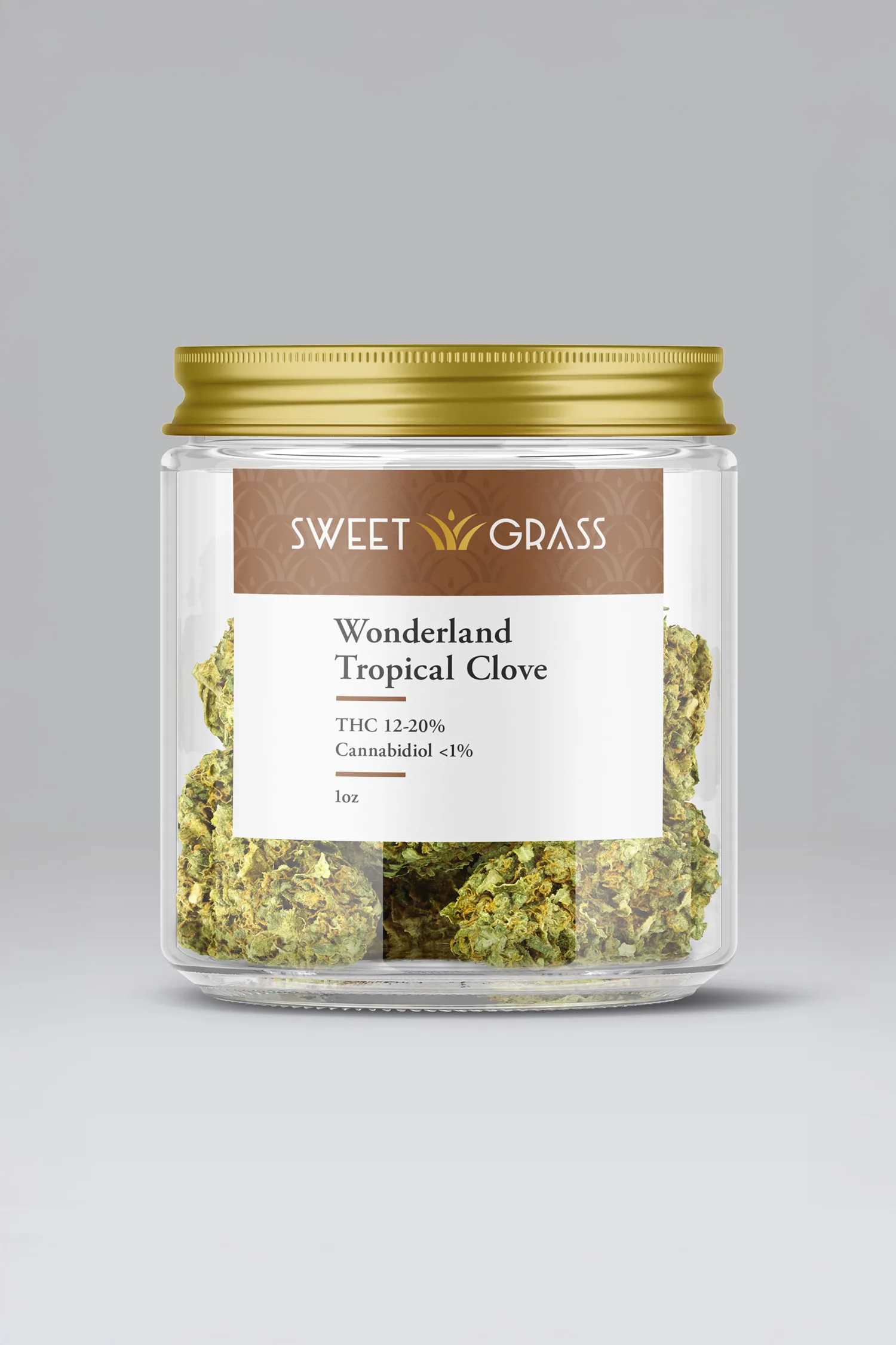
Cannabis packaging is a compliance document that has to look like a brand, and the mandated elements arrive before yours.
In California, 4 CCR § 17410 requires the universal symbol to be black or white, printed on a contrasting color, no smaller than half an inch in height, and never altered or cropped beyond resizing for the primary panel.
Vape cartridges and integrated vaporizers get a quarter-inch exception, which is the only break the small formats get.
Then add child-resistant closures, tamper evidence, batch numbers, THC and CBD content, warnings and a QR code, and you discover how little surface is left.
So I design cannabis packaging backwards.
I block out the regulated panel at real size first, then design the brand into what remains.
Three things buy you room.
- A pattern, not a picture: a seamless pattern reads as yours from across the room and tolerates being cropped by any die line.
- Color before logo: customers recognize a palette at shelf distance long before they can read a wordmark.
- Finish as a signal: foil, emboss and uncoated stock communicate price tier without a single word a regulator can object to.
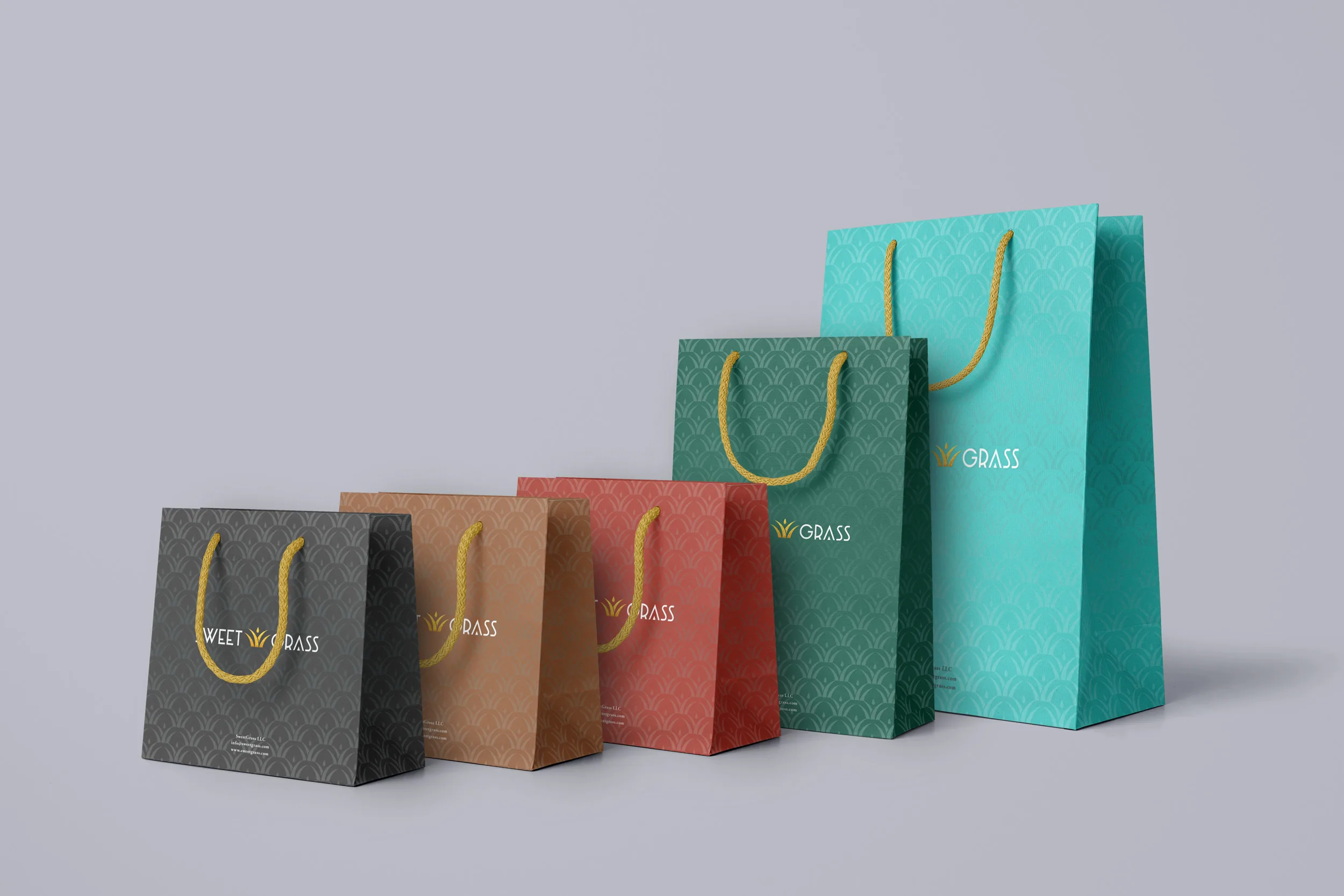
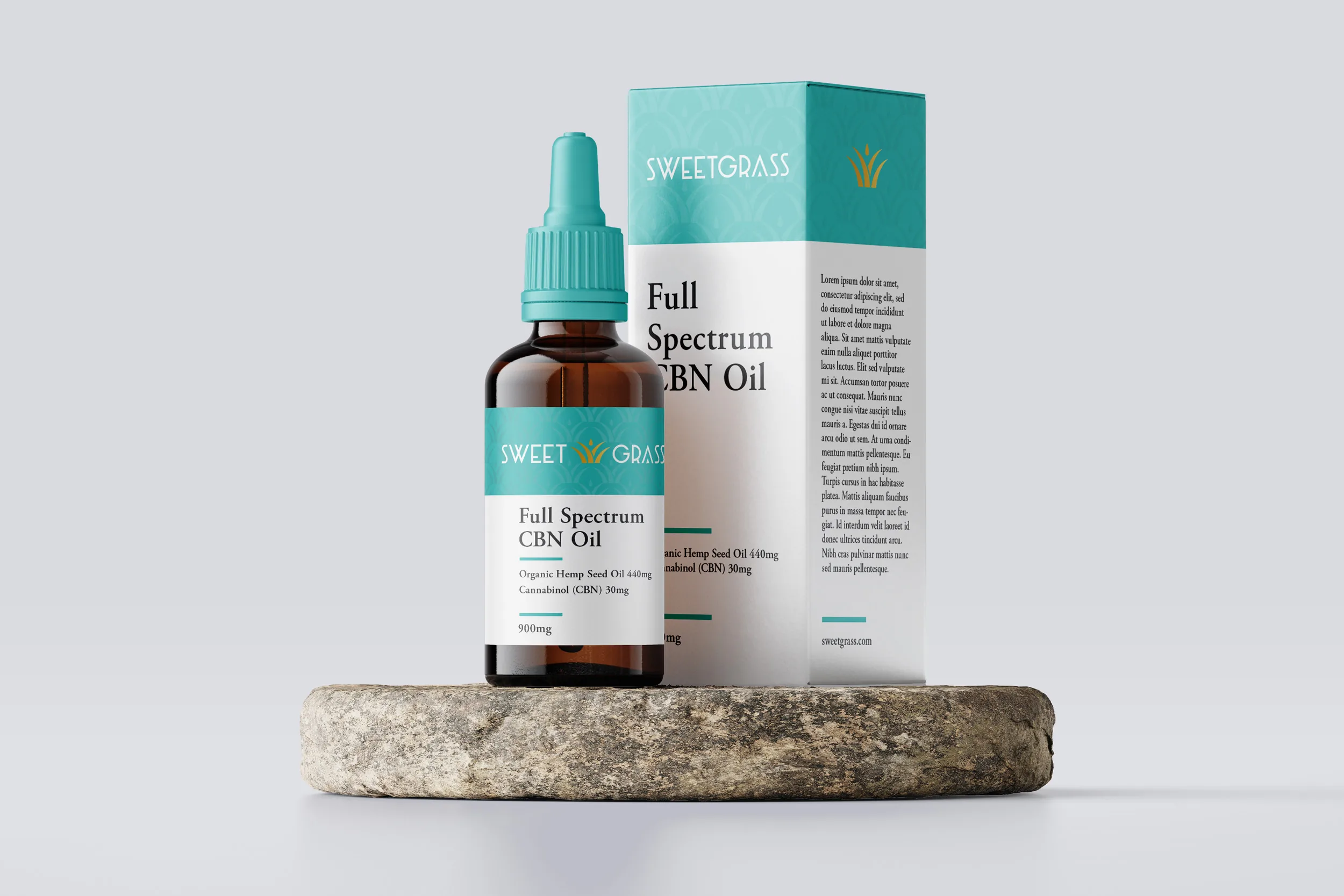
Those three carried the whole SweetGrass range across jars, droppers, cartons and bags.
The retail shelf reality nobody designs for
Most cannabis packaging is designed on a screen and then sold behind glass, under bright light, at arm’s length.
That gap is why so many beautiful cannabis brands die at the counter.
In a licensed store the customer usually cannot pick the product up, cannot smell it, and is choosing from a menu board or a locked case while a budtender waits.
So run a three-foot test before you approve anything.
Print the label at actual size, put it behind glass or a sheet of acrylic, step back three feet, and see whether you can tell it apart from the two products beside it.
If the answer depends on reading the name, the design has failed.
The budtender matters as much as the glass.
They are often the only person allowed to recommend you, so the brand has to be easy to say, easy to spell and easy to remember after a ten-second explanation.
That is a naming decision as much as a design one.
Age gates, websites and the surfaces nobody designs
A cannabis website is usually the only medium you fully control, and the first thing a visitor meets there is a form.
Age gates, location pickers and menu integrations are brand surfaces, and most operators leave them looking like default software.
Design the gate properly: full-bleed brand, one clear question, a real typeface, and no stock photo of a leaf.
Then design the three screens your menu plug-in renders, because that is where the customer actually shops.
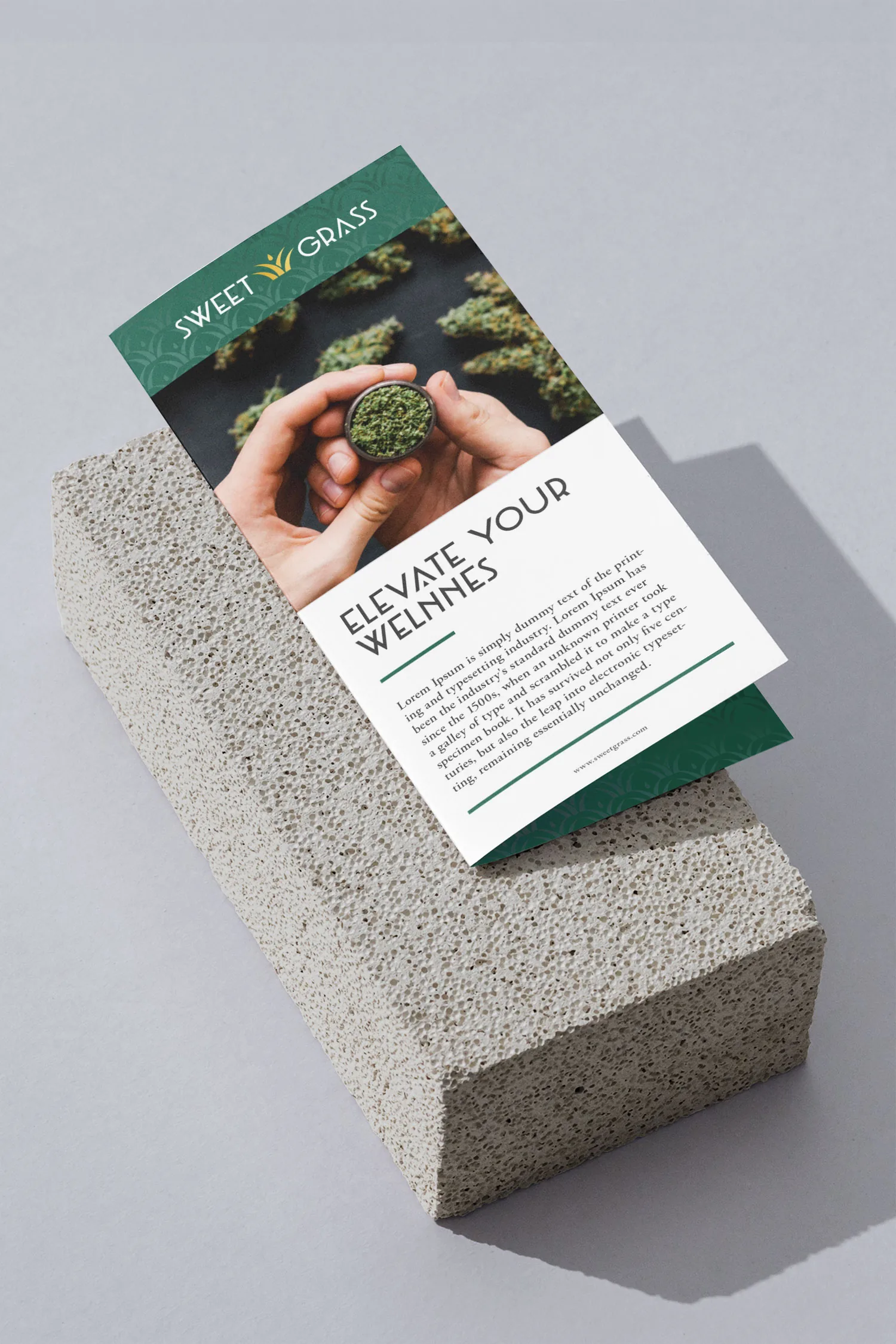
Printed education deserves the same care, because in Mississippi education on the risks and benefits of cannabis is explicitly treated as something other than advertising under Rule 3.5.1.
In practice that means the brochure in the bag can show and say things an advertisement never could.
Email and SMS are tighter: mass texts and mass emails sit on Mississippi’s prohibited list, so check your state before you build a list-driven launch plan.
How I branded SweetGrass, a premium dispensary
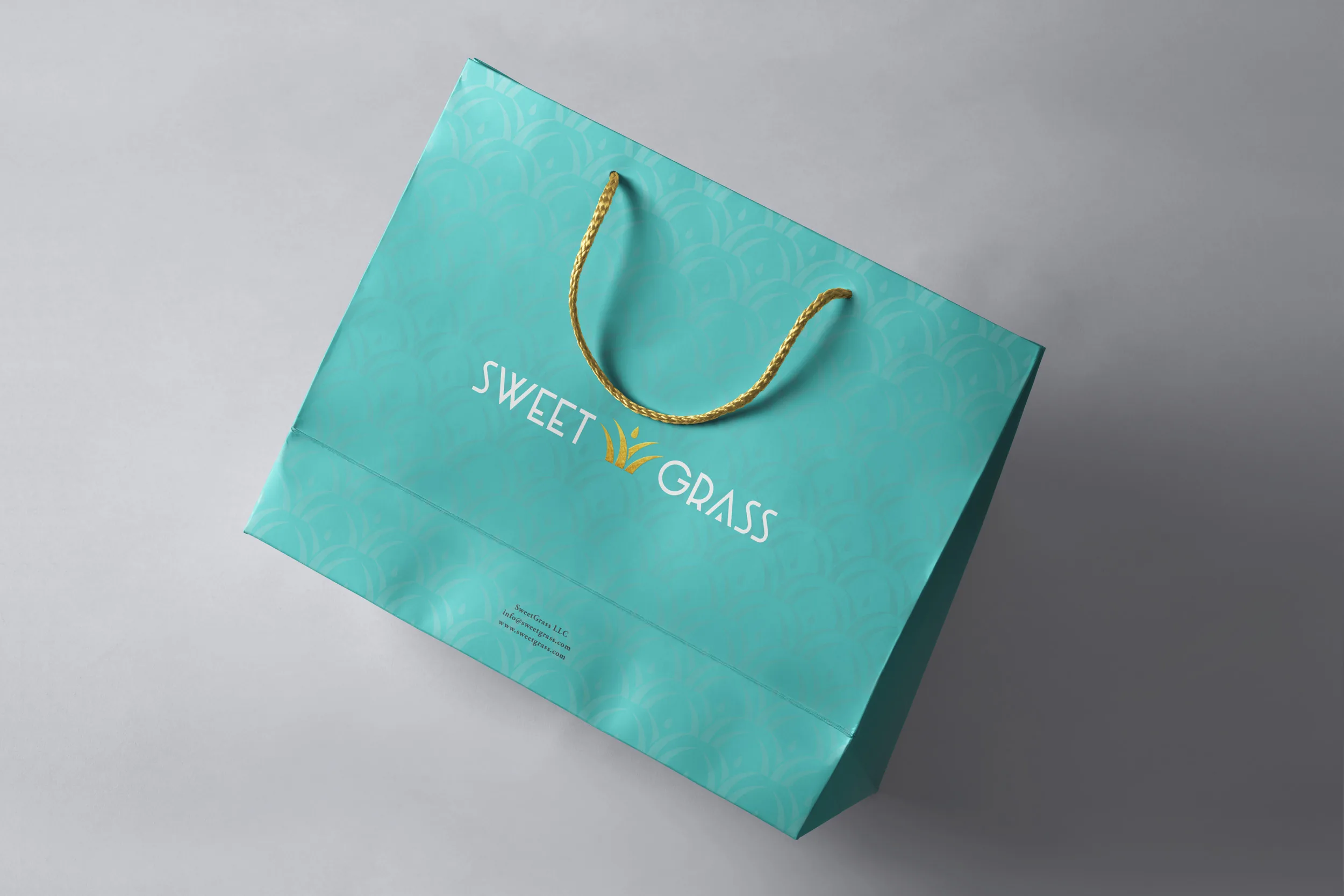
SweetGrass is a cannabis dispensary in Mississippi that wanted to feel Southern and refined rather than clinical or stoner.

The brief was a luxury retail brand in a state where you cannot advertise.
I built the identity on an Art Deco-inspired wordmark with bespoke display typography, so the name itself carries the premium signal.
The palette pairs turquoise with gold, backed by a secondary range of charcoal, tan, terracotta and forest green, which gives customers a color to recognize before they read anything.
A seamless scallop pattern extends the system across packaging, the brochure, outdoor layouts, merchandise and the website.
The campaign line, Elevate your wellness, sells a feeling rather than a product, which keeps it clear of the health and safety claims regulators prohibit.
There is no cannabis leaf in the identity at all: the mark between the two words is a stylized gold tuft of sweetgrass.
That keeps the brand usable in jurisdictions that ban leaf imagery in advertising, and keeps it off the same visual shelf as every competitor.
The full deliverables, the brand guidelines and the live site are in the SweetGrass case study.
Jane de Abreu, who founded SweetGrass, summed the project up as “a magic visionary with sharp attention to detail.”
Medicinal cannabis is a different brand problem
Medicinal cannabis brands sell to clinicians and patients, not to shoppers, so the whole visual register moves.
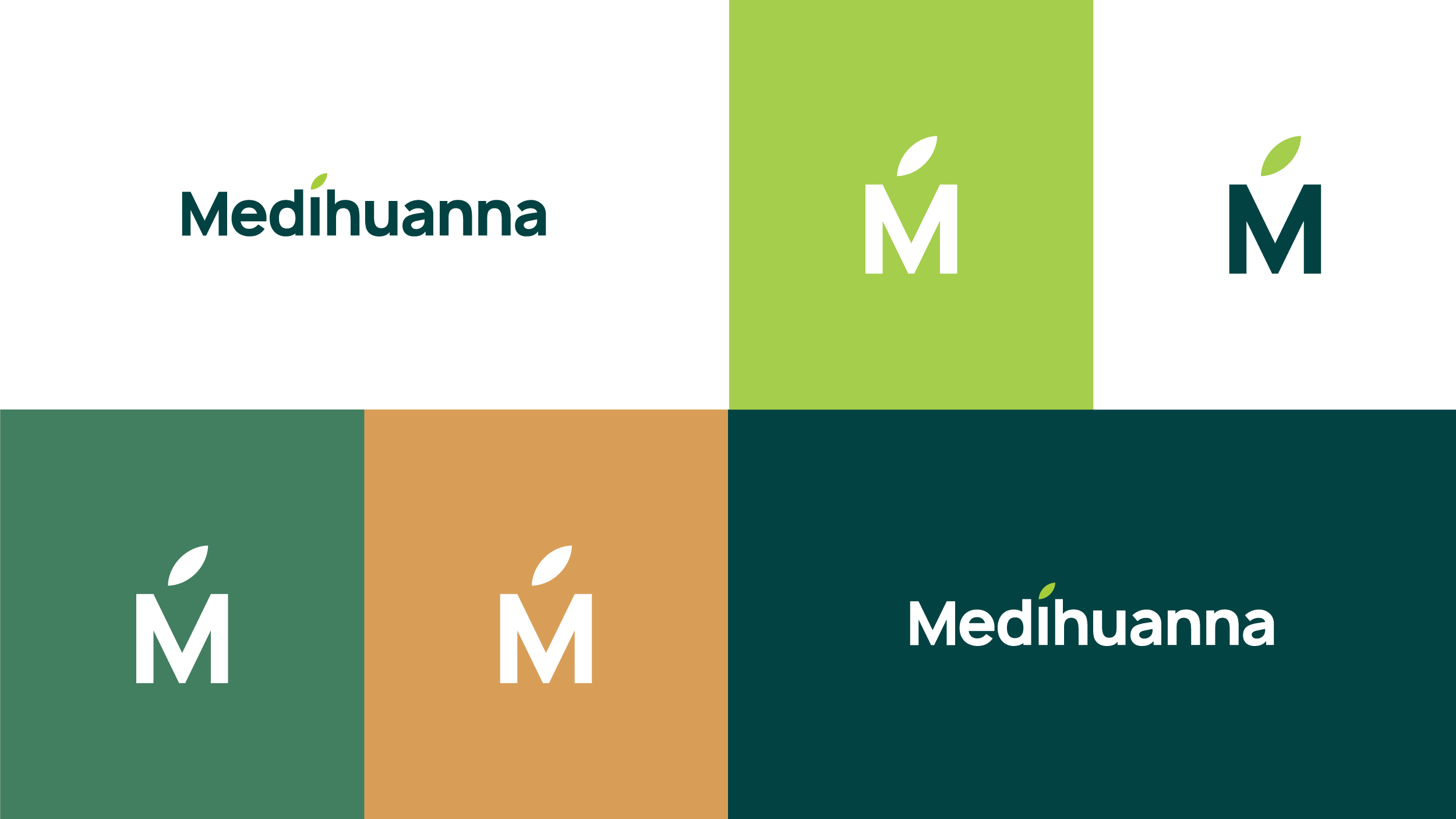
Medihuanna is an accredited medicinal cannabis education provider in Sydney, Australia, serving healthcare professionals.
That audience is sceptical by training, so credibility beats personality and the design has to stay quiet.
I redesigned the logo into a minimalist mark, built modular patterns around it, and applied it to educational documents, stationery, environmental signage, social animation and the website.
If you sell education, consultation or prescription-side services rather than flower, look closer to a medical publisher than to a dispensary.
Medihuanna also makes a point about this page: that client found me through an earlier version of this article, which is a fair demonstration of why owned content matters when ads are off the table.
12 cannabis branding examples worth studying
These 12 fall into three groups: heritage, minimalist and premium.
I review a separate set of marijuana identities in the video above, and there are more in my roundup of the best cannabis dispensary logos.
1. Marley Natural
Marley Natural draws directly on reggae artist Bob Marley, and Seattle agency Heckler Associates created the logo and packaging.
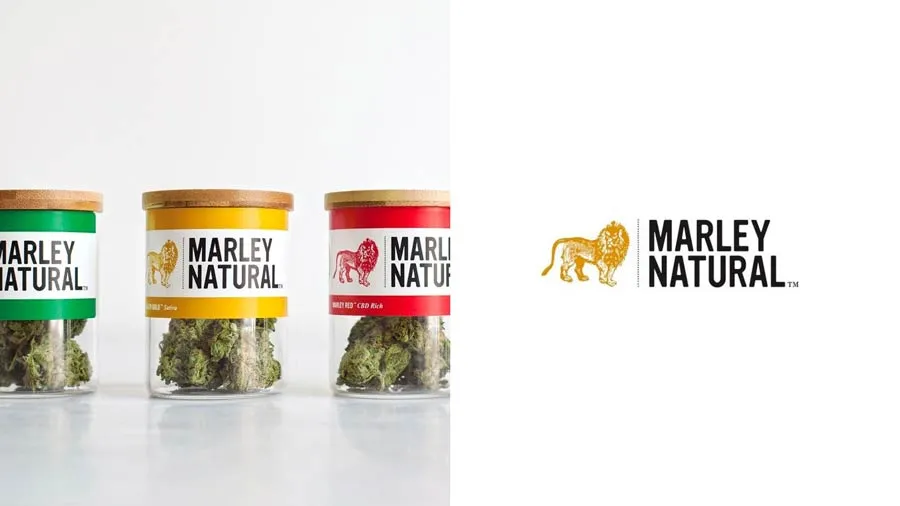
Rasta colors and a lion illustration connect it to Marley fans instantly, which is the shortcut a licensed name buys you.
2. Kiva Confections
Kiva Confections uses vintage-inspired branding to sell a connoisseur chocolate rather than a cannabis product.
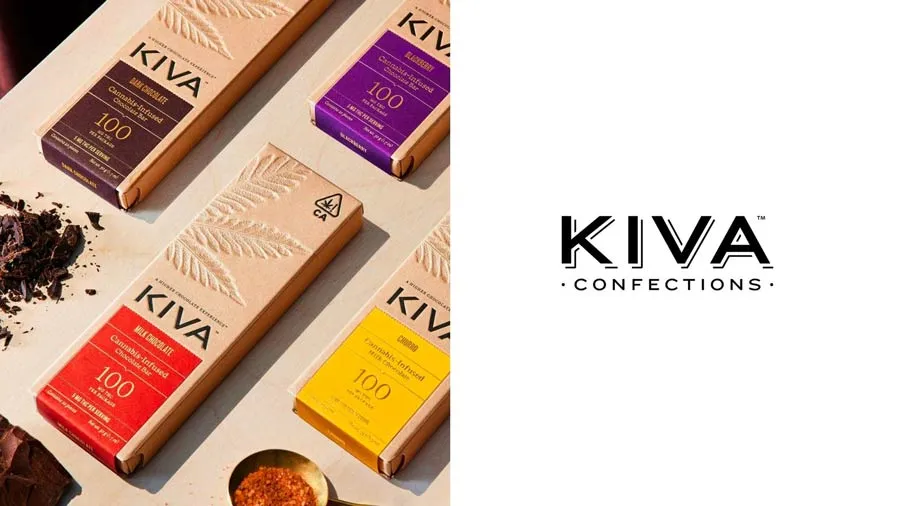
San Francisco agency MINE gave it a sense of craftsmanship and heritage that edibles badly need.
3. Willie’s Reserve
Willie’s Reserve was launched by Willie Nelson and designed by Santa Monica agency Rival.
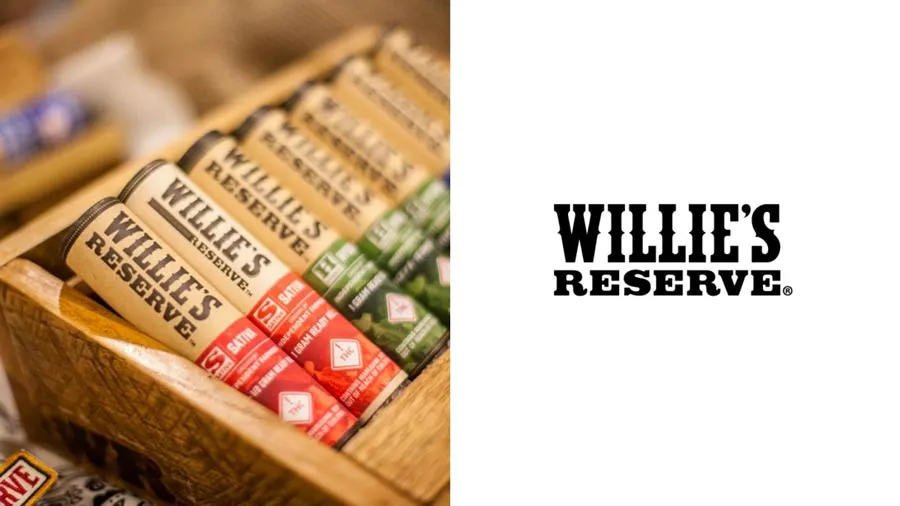
The country and folk influences stay true to the artist, and it is a clean example of the outlaw archetype in a regulated category.
4. Almora
Almora leans on bold serifs and abstract geometric patterns drawn from Mexican culture and art.
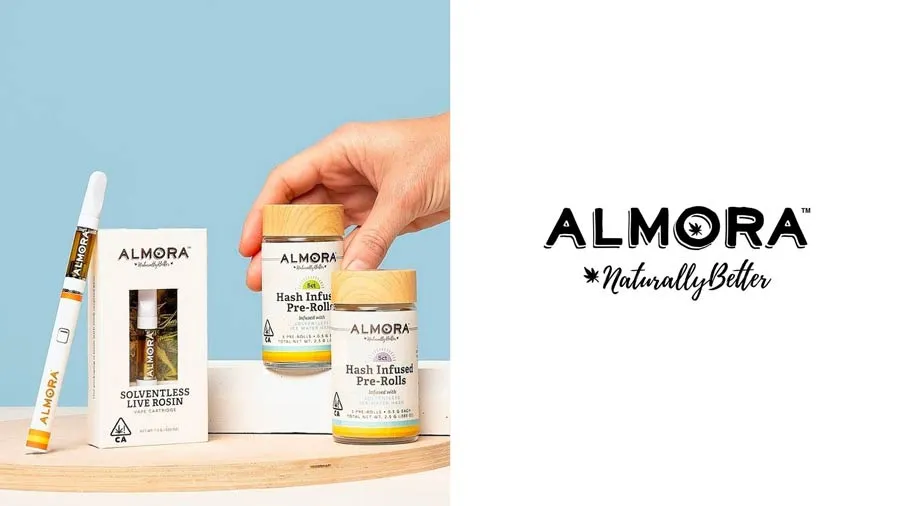
Warm earth tones and script type make it feel handcrafted while the brand keeps talking about terpenes and the integrity of the plant.
It is a useful lesson in borrowing a culture’s visual language without turning it into a costume.
5. Seven Point
Seven Point pairs a slim sans-serif logotype with a leaf icon handled subtly enough to stay tasteful.
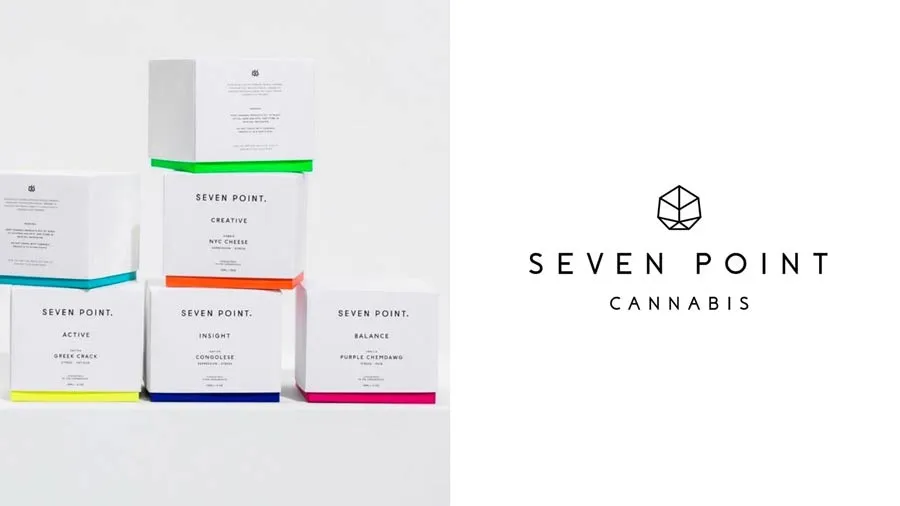
The name comes from the seven points of the marijuana leaf, which was La Tortillería’s cue for the whole identity.
Note the trade-off: a leaf-derived idea is charming and it limits where the brand can run in strict states.
6. Apothecanna
Apothecanna uses a clean, almost pharmaceutical visual identity for its topical skin care line.
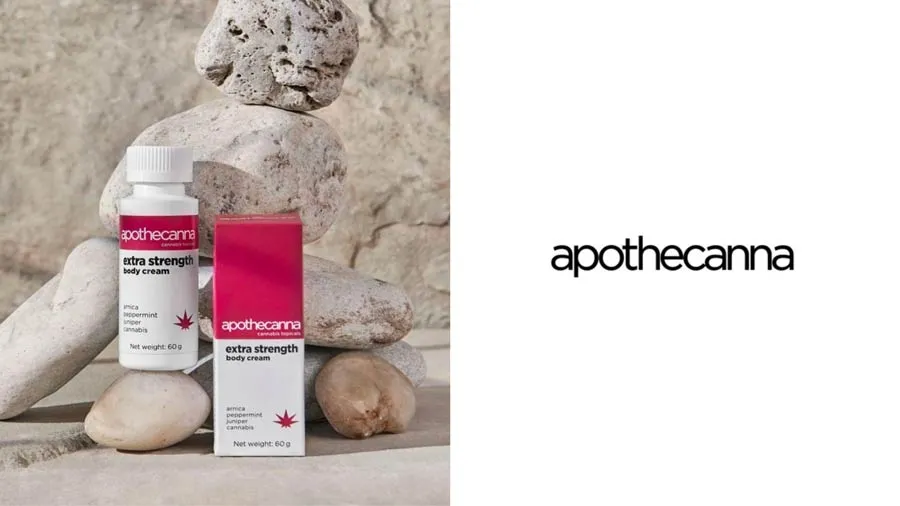
Products are named by effect and color-coded by line, so customers self-select without a budtender explaining anything.
7. Level
Level runs clinical packaging with bold pops of color to separate strains and potencies.
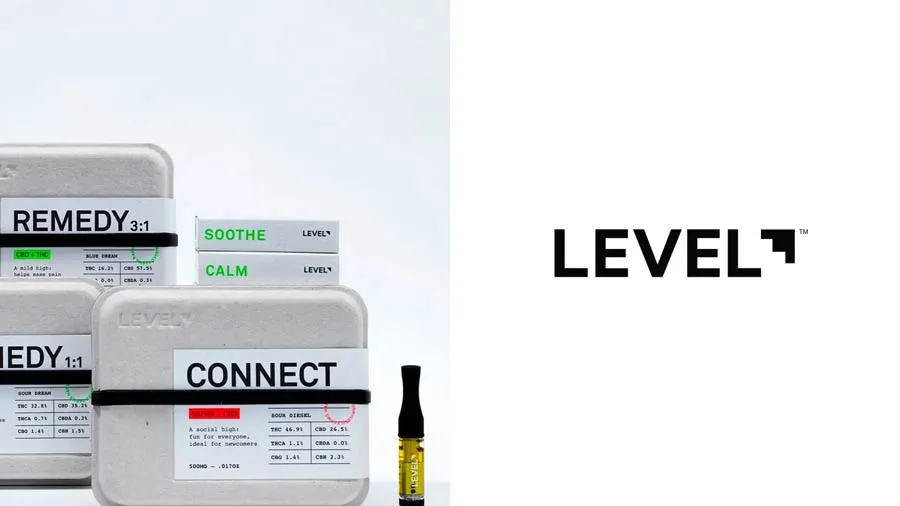
Labels printed on speckled Mohawk stock with neon accents hold both the scientific and the organic sides of the product.
8. GrassRoots
GrassRoots reduces the cannabis leaf to a single-weight abstract line.
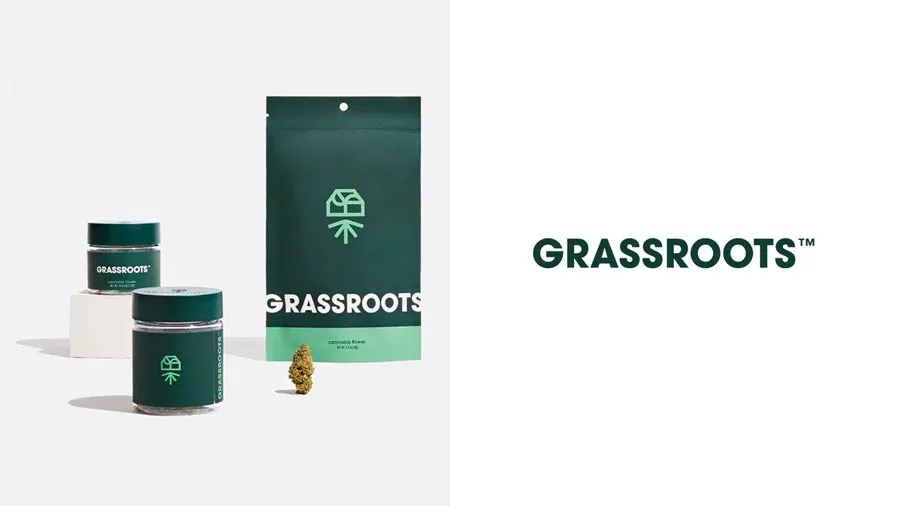
Paired with a bold sans serif it reads as Swiss and professional, and it is the most restrained example in this list.
9. Canamis
Canamis uses muted colors, an abstract leaf shape and high-end finishing to make cannabis feel luxurious.
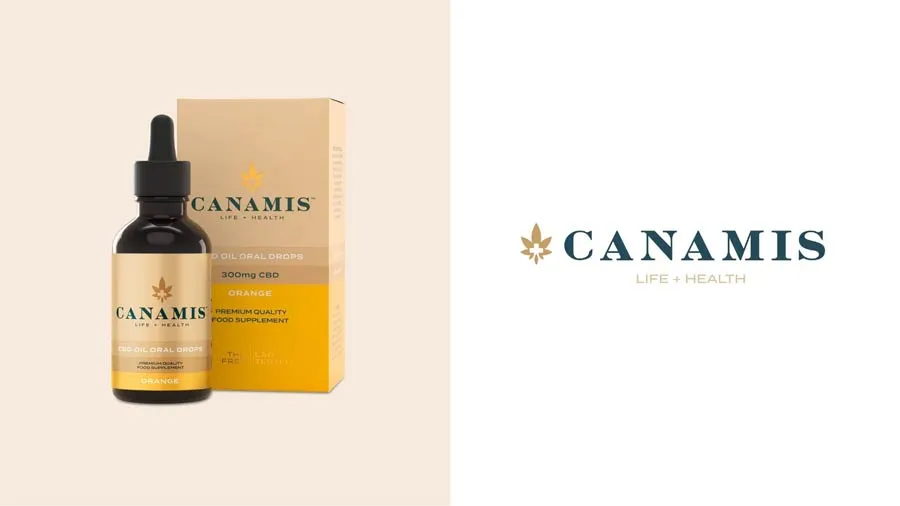
Gold against earth tones gives it a memorable palette, and the serif typography does most of the price-tier work.
10. Kurvana
Kurvana uses silver finishes to build a lifestyle brand around cannabis wellness products.
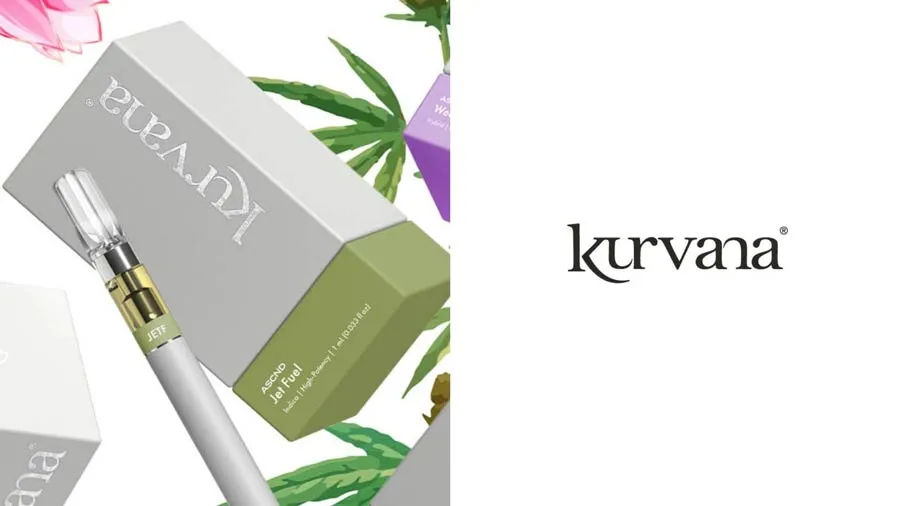
The palette and the special finishes match the effect the brand promises, and position it for an everyday modern consumer rather than a connoisseur.
11. STIIIZY
STIIIZY uses an all-caps condensed typeface and shiny silver elements to look exclusive and premium.
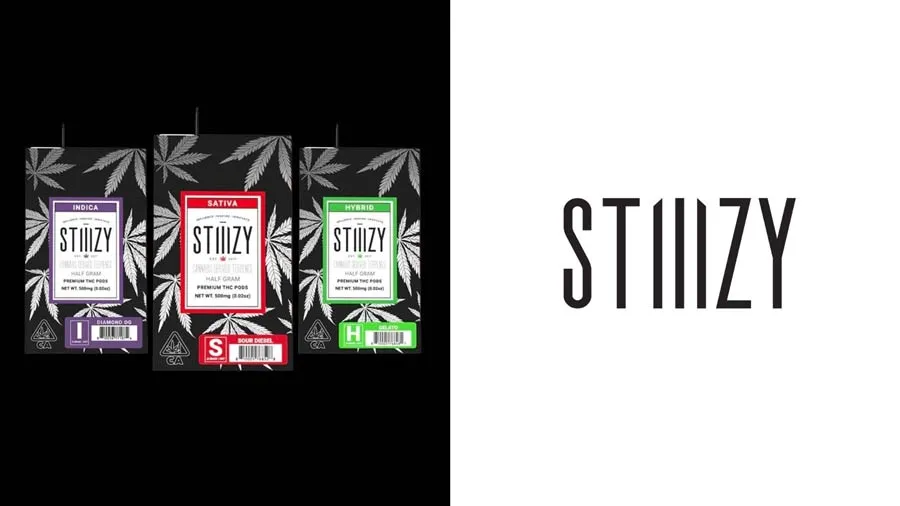
High contrast and distinctive letterforms make it pop behind glass, which is the three-foot test passed on purpose.
12. Sunday Goods
Sunday Goods leans on transparency and simplicity, with outdoor photography carrying the sense of purity.
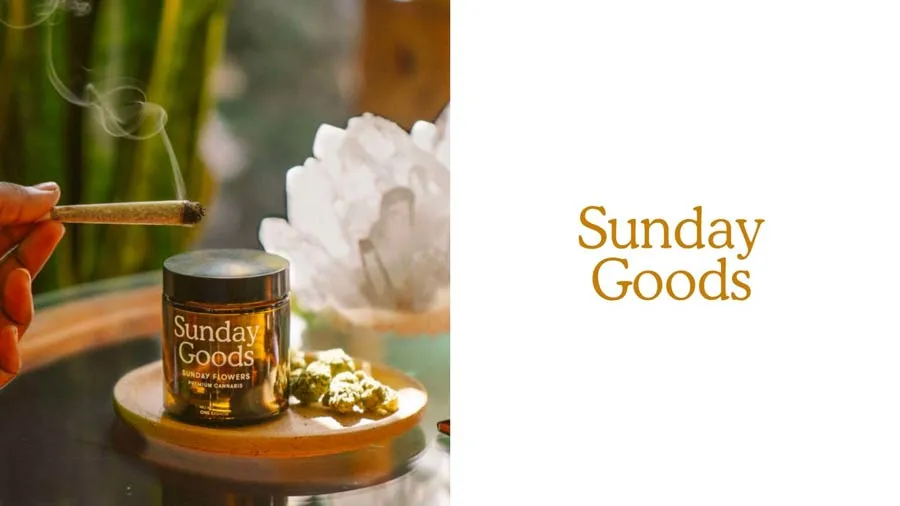
A friendly serif wordmark links the products to organic quality, and nothing in the system is overbranded.
That restraint is the point: it sells an honest, uplifting experience rather than a flashy one.
How a cannabis rebrand actually runs
A cannabis identity is one week of design and several weeks of legal and print reality, so sequence it properly.
This is the order I use.
- Compliance brief: pull your state’s advertising, packaging and labeling rules and list what is banned, before any concepts.
- Positioning: decide who you are for and what tier you sell at, which is brand positioning work, not design work.
- Identity: logo, typography, palette and patterns, built against the smallest label you will ever print.
- Packaging: scoped by number of SKUs, with the regulated panel blocked out at real size first.
- Guidelines: a short, usable set of brand guidelines your printer and your menu provider can both follow.
- Website: age gate, menu integration and store pages, designed rather than defaulted.
On cost, I charge a flat $3,000 per week, and a complete brand identity is delivered in one week, guaranteed, for $3,000 total.
Packaging and the website are scoped as additional weeks at the same rate, agreed before work starts, so the total is fixed; the breakdown is on my pricing page.
If you would rather compare shops first, I keep a list of cannabis branding agencies, and a general guide to logo design cost.
Cannabis branding: FAQ
These are the questions cannabis founders ask me most, answered so each one stands on its own.
What is cannabis branding?
Cannabis branding is the strategy and design work that makes a dispensary or cannabis product recognizable, trusted and premium.
It covers naming, logo, typography, color, patterns, packaging, signage and the website.
It differs from other categories because most advertising channels are closed by law, so owned surfaces like packaging and the store carry the whole brand.
Can a cannabis logo use a green pot leaf?
You can, but in several states you should not.
Mississippi’s advertising rules prohibit advertising that includes the image of a cannabis leaf or bud, which limits where a leaf-based mark can appear.
Commercially it is worse, because the leaf is the most copied symbol in the category, so it makes a brand invisible rather than obvious.
What is the difference between dispensary branding and cannabis product branding?
Dispensary branding sells a place, so it is judged on signage, interior, bags, staff and the website.
Product branding sells a repeat purchase, so it is judged on a small label seen through glass.
If you are doing both, design for the smallest label first and let the store inherit that system, because the reverse never fits.
What are the rules for cannabis packaging design?
Packaging rules are set state by state, and they govern the package before they govern your design.
California, for example, requires the universal symbol to be black or white on a contrasting color, at least half an inch high, and never altered or cropped beyond resizing.
Always block the regulated panel out at real size before designing anything around it.
Can cannabis companies advertise?
Barely, and it depends entirely on the state.
Mississippi prohibits licensed establishments from advertising in any media, permitting only an informational website, directory listings and charity sponsorships.
California allows advertising but requires audience data showing at least 71.6% of viewers are reasonably expected to be 21 or older before the advertising runs.
Does a dispensary website need an age gate?
Requirements vary by state and jurisdiction, so confirm yours before launch.
In practice almost every licensed operator gates, because states and platforms expect proof that the audience is of legal age.
Treat it as a design surface: it is the first thing a customer sees, so it should look like your brand, not default software.
How much does cannabis branding cost?
I charge a flat $3,000 per week, and a complete cannabis brand identity is delivered in one week, guaranteed, for $3,000 total.
That covers logo, logo animation, typography, color, patterns and brand guidelines.
Packaging and the website are further weeks at the same rate, agreed on the kickoff call, so the total price is fixed before work starts.
How long does a cannabis rebrand take?
One week for the brand identity, guaranteed.
Packaging depends on how many SKUs you have, and a website usually takes one to two further weeks depending on page count.
Budget extra calendar time outside the design for legal review and printer proofing, which is where cannabis projects genuinely slow down.
Need a cannabis brand that works where ads are not allowed?
If you are opening a dispensary or launching a product line, the hard part is not making it look good.
It is building a brand that is legal where you operate, legible at half an inch and recognizable through glass.
That is the work I do, and the scope, deliverables and timeline are on my cannabis branding page.
If you already know what you need, book a call and bring three things: your state, your SKU count and your launch date.
Building a cannabis brand?
I design logos, packaging, and websites for dispensaries and cannabis brands. Your brand identity in one week, guaranteed, for $3,000.